


Trevi Elite · advisors in Rome since 2006
Real Estate in Italy
Properties for sale across Italy, with an advisor on the buyer’s side: apartments and villas in Rome, homes by the sea, on the lakes and on the islands, hotels and income properties. Start with the type, or with the place.
Where to begin
- Since 2006
- Via di Porta Pinciana 34, Rome
- FIMAA member
- English · Italiano
Collections
Properties for sale in Italy, by type
Each collection opens a catalogue with its own filters. Browse homes by type and place, or open Luxury properties, a selection from the upper end. Hotels and income properties have their own section below.
Residential properties for sale
Properties for sale
Luxury properties
Renting for the summer: Villas for rentRentals on the mapForte dei Marmi
Commercial properties
For investors and operators. A hotel can be bought as a building, as a business or by acquiring the company that owns it, and each route carries different taxes and checks; rented commercial properties are considered on the strength of the lease and the tenant. Trevi Elite advises on both.

Rome
Properties in Rome, two ways in
Trevi Elite has worked in Rome since 2006, from an office on Via di Porta Pinciana beside Villa Borghese. Here the district matters as much as the properties: browse the whole city in one catalogue, or choose a district below.

The whole city
Properties for sale in Rome
Apartments, villas and income properties across the city, in one catalogue.
All properties in RomeDistrict by district
Rome by district
Each district has its own character. Depending on the district, the links below lead to properties for sale, a local guide or both.
How Rome’s districts compare and which suits you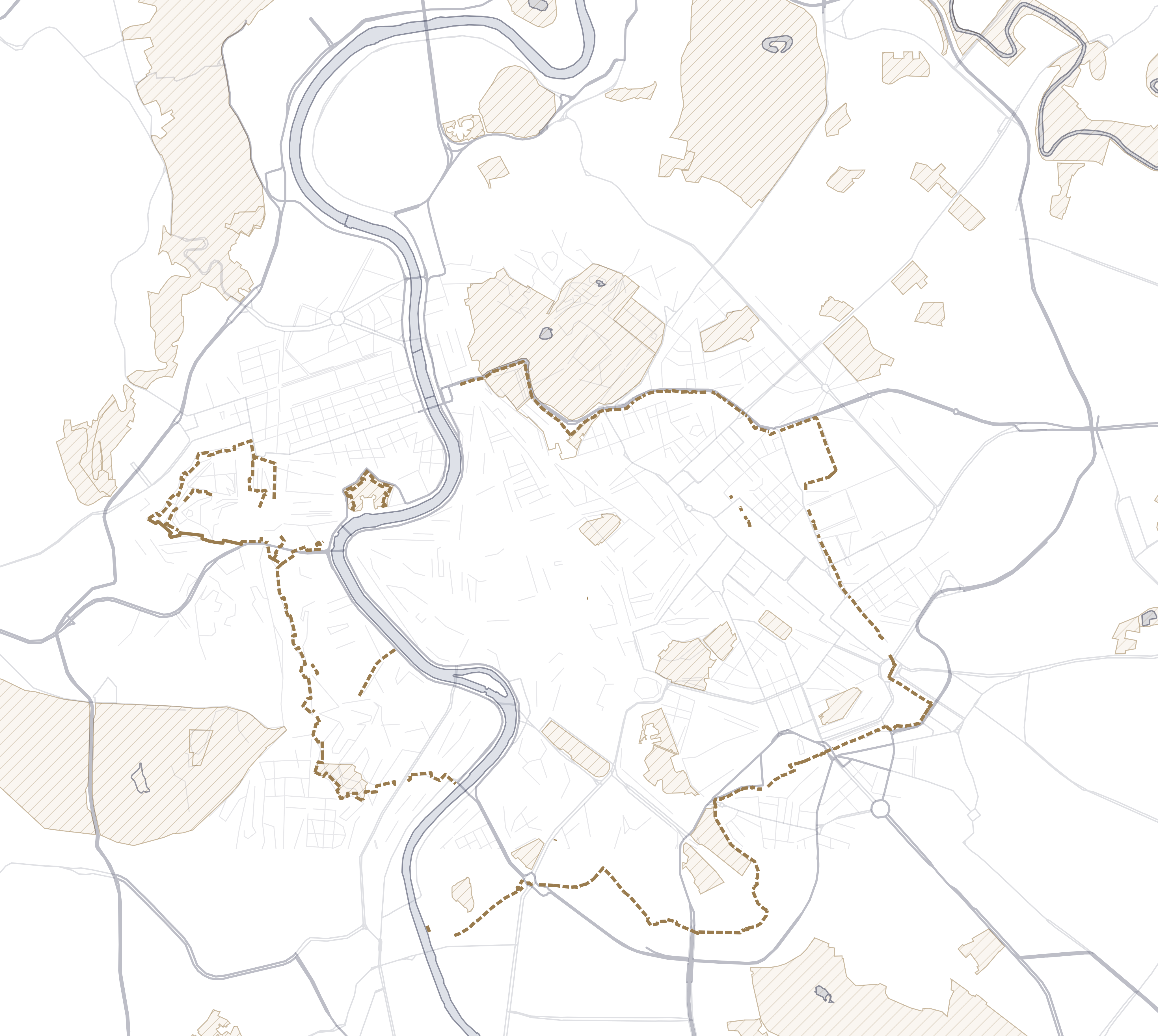 1 km
Districts beyond the plan sit on its edge, pointing their way; each one’s panel gives its straight-line distance from Piazza Venezia.
© OpenStreetMap contributors


Across Italy
Beyond Rome, region by region
Outside Rome, properties are grouped by region and by town. Buying on the coast, by a lake or in the countryside raises different questions of access, seasons and planning.
![]()
Tuscany
Villas, country estates and hotels, from Florence and the hills to the Maremma coast and the Argentario.
![]()
The Lazio coast
Seaside towns north and south of Rome, and the island of Ponza.
![]()
![]()
The lakes
Villas and homes on the lakes of northern Italy.
![]()
Sardinia
Villas and hotels along the coast, including the Costa Smeralda.
![]()
![]()
Venice and the Veneto
Hotels and homes in Venice, and hospitality properties in the wider region.
![]()
![]()
![]()
Campania
Capri
Lazio
Castelli Romani
Lazio
Fiuggi


From the catalogue
Selected properties for sale
A selection from the current catalogue, which changes as properties sell and new ones arrive.


Guidance
Buying properties in Italy
Before making an offer, check the title, the cadastral and planning records and, for an apartment, the building’s shared costs, arrears and approved works: a signed offer can bind the buyer. The guides and questions below cover the offer, the preliminary contract, the deed and the taxes. An advisor can explain how each step applies to a particular purchase.

Guides
- What It Really Costs a Foreign Buyer to Purchase Property in Italy
- Complete Guide to Italian Notary Transactions When Buying Property in Italy
- Italy Building Regulations 2026: What Foreign Buyers Must Know
- Rome Real Estate 2026: What Happens After the Jubilee Year?
- Buying a Hotel in Italy: Process, Taxes and Due Diligence
Questions buyers ask first
What should I check before buying in Italy?
A cadastral and land-registry search confirms who owns the home and whether any mortgage or lien weighs on it; the planning records and a valid APE energy certificate are checked as well. A notary and a surveyor (geometra) brought in early can catch problems with boundaries, unpaid condominium fees or inheritance claims before they affect the purchase.
Full answerWhat are the total costs of buying properties in Italy?
On top of the price, expect roughly 7% to 20% of it in taxes, notary fees, the agency commission and legal costs. Who sells decides most of it: from a private seller you pay registration tax, while a developer selling a new build charges VAT, which can push a luxury purchase higher; prima casa relief on a main residence lowers the bill.
Full answerIs a purchase offer binding in Italy, and what happens if I withdraw after it is accepted?
It binds you in two cases: an offer made irrevocable for a stated period cannot be revoked until that period ends, and a revocable one binds you once the seller accepts and you learn of the acceptance. Withdrawing after that is a breach: the seller may keep a caparra confirmatoria and the agent’s commission remains due, unless a right to withdraw against a caparra penitenziale was agreed.
Full answerHow long does a purchase in Italy take?
Usually 60 to 90 days from choosing the home to the deed, depending mostly on financing and the legal checks. The offer comes first, then the checks, the preliminary contract with a deposit and the deed before the notary; having your tax code and financing arranged in advance speeds it up.
Full answerWhat documents do I need to buy in Italy?
A valid passport or ID, an Italian tax code (codice fiscale) and proof of how you will pay: your own funds, or the bank’s approval if you take a mortgage. Have them ready before you sign the preliminary contract; the codice fiscale is worth getting first, since you also need it to open an Italian bank account.
Full answerWhat is the compromesso, and why does it matter?
The compromesso, or contratto preliminare, is a binding contract that commits buyer and seller to complete the sale later, at an agreed price and on agreed terms. It is usually signed with a substantial deposit, and either side can go to court if the other withdraws: a far more serious step than an offer, so title, documents and compliance should be checked before signing.
Full answerWhat does the notary (notaio) do when you buy in Italy?
The notaio is an independent public officer, and every purchase goes through one. The notary verifies ownership and any mortgages or charges, draws up and receives the deed, then registers and records the sale; the buyer usually chooses the notary, who stays impartial between the parties.
Full answerIs it better to buy new build or resale in Italy?
It depends on what matters most: condition, location or running costs. New builds bring modern systems and better energy ratings, and a developer’s sale is usually charged VAT rather than registration tax; in the historic centres of Rome and Milan resale dominates, and location and character outweigh newness even when works are needed.
Full answer
Enquiries
Describe what you are looking for
Tell an advisor what you are looking for, where, and the budget you have in mind. The Rome office answers in English and Italian, and properties not yet on the market can be considered against a specific brief.